Introduction :
For a long time, the discipline of industrial hygiene has relied on hands-on training in labs, field measurements, and learning by doing. A digital revolution is changing the way students and professionals learn those same skills today. Chemical, physical, toxicological, and engineering principles are utilized by industrial hygiene An important aspect of occupational health is industrial hygiene, which seeks to identify, assess, and control potential dangers in the workplace in order to keep employees healthy and injury-free. The fields of public health, science, engineering, and Industrial hygiene are all interconnected through Industrial hygiene. It safeguards employees from potentially dangerous toxins. Assessing ventilation, toxicity, and air quality are all ways that Industrial hygiene experts find out how much exposure is safe. Digital education is making it easier for more people to learn, understand, and become more skilled in ways that work with and occasionally replace traditional lab experiences. Using resources from professional groups like the American Industrial Hygiene Association (AIHA), these include data-driven learning platforms, immersive simulations, and virtual sample tools. These include virtual sampling tools, immersive simulations, and data-driven learning platforms.
These are some of the areas where the Industrial hygiene profession might grow in the future:
Investigations into the domain of big data and predictive analysis, an array of statistical methodologies that scrutinize contemporary and historical data to forecast future or uncertain occurrences. a way to work with big data sets
- Using sensor technology, wearable devices, and citizen science to gather data on a large scale
- Telehealth and other online ways to give occupational healthcare to workers who live far away or who don't want to see an IH in person for any other reason
- Online training and microlearning have the ability to teach workers about health and safety issues without getting in the way of their normal work.
- Environmental issues like climate change, air pollution, and sustainability
Youth and student outreach to attract future IH, OEHS, and other STEM workers builds on the work done by NIOSH's Youth Work Talking Safety initiative, which was meant to teach middle and high school students about occupational health and safety in relation to summer jobs and part-time work.
Occupational health disease in underserved work populations both in the U.S. and abroad; occupational accidents and diseases are systematically underreported in many countries, and significant populations in both the U.S. and overseas lack the infrastructure for industrial hygiene support. The field of occupational health is an important subset of public health that aims to ensure the safety and health of those employed in all kinds of jobs. Collaboration with allied professions overseas may become essential for American industrial hygienists.
Working together with a growing number of stakeholders who are not part of traditional Industrial hygiene, such as financial managers, insurers, chemists, biologists, computer scientists, trade associations, and teachers
Genetic and environmental variables affect both reproductive and mental health. This means that standard workplace health and safety cannot completely stop problems with reproductive and mental health.
Leisure and sports You can utilize the rules of industrial hygiene to make recreation safer. Journalism and social media, which could help Industrial hygiene get more attention and build its brand.
Important digital tools that are changing how we teach industrial hygiene
Simulations and Virtual Labs
In a browser or app, virtual labs reproduce tools and experiments. Students can choose sampling parameters, run virtual pumps, conduct simulations of how contaminants spread, and see how control methods work. These environments let you practice over and over again without damaging actual gadgets or using dangerous materials.
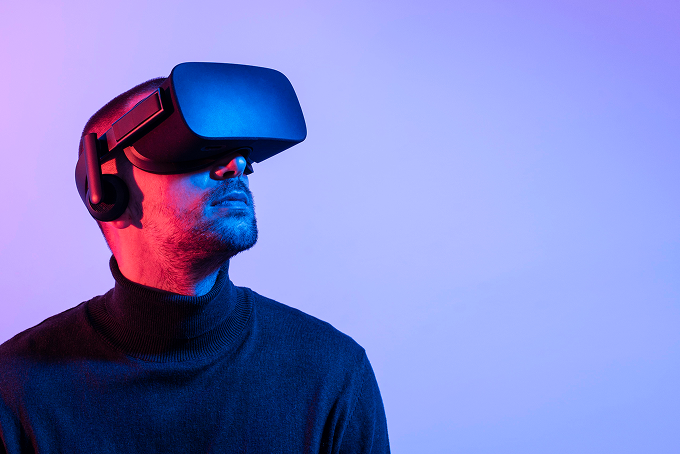
AR and VR, or augmented reality and virtual reality
AR adds digital information to real-world locations. This is essential for on-site training because it lets students see how air flows, how contaminants spread, or how well PPE fits. VR puts learners in fake workplaces (factories, building sites, labs) where they can learn to spot dangers, do walkthroughs, and practice how to respond to emergencies in safe, realistic situations.
Microlearning and Learning Management Systems (LMS)
Modern LMS solutions offer modular courses, quizzes, certification management, and tracking of competency progress. Microlearning is a way for busy workers to swiftly learn new skills between shifts.
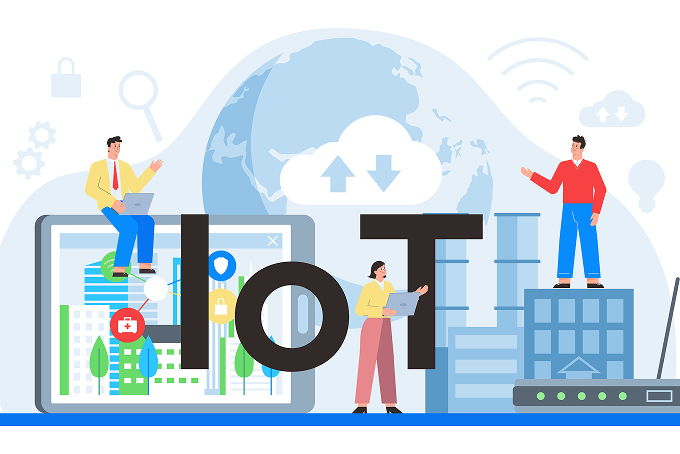
Remote instrumentation with Internet of Things (IoT) sensors
IoT devices and remote sensors send real-time data about the environment to cloud platforms. Classrooms can look at real-time or archived data from real workplaces to learn how to read time-series trends, set off alarms depending on certain events, and understand the limits of sensor networks when it comes to exposure assessment.