Introduction :
In today's fast-changing health world, businesses need to be ready for biological and viral threats. Employers are responsible for making sure to make workplaces safe from things like seasonal flu, airborne viruses like COVID-19, and exposure to biological agents in labs and hospitals. Industrial Hygiene, often called Occupational Hygiene, is the study of how to find, assess, and control workplace dangers that could hurt workers health and well-being. Industrial hygiene is rapidly growing as interest in EHS ( Environment, Health, and Safety ) increases. Industrial hygiene combines science, health, engineering, and management to keep people from getting sick and make the workplace safe. The UN estimates that 2.78 million workers die on the job and an additional 374 million get injuries that do not progress to death due to occupational diseases and accidents. A good safety strategy not only keeps workers safe. It makes sure that operations continue, lowers financial risk, and promotes confidence among workers.
Controlling Risks at work with Biological Agents and Hazards
Organization need to explain the safety procedures that will be in place to keep people, animals, plants, and other parts of the environment safe from biological agents and hazards at work. COSHH ( Control of Substances Hazardous to Health) says that you should either stop people from being exposed to biological agents and hazards or, if that's not possible, limit the risks well enough to bring them down to an acceptable level. Similar specific control measures for biological threats are required by SAPO ( Specified Animal Pathogens Order ) and other environmental legislation. Industrial hygiene uses particular tools to do quantitative exposure assessments, such as Gas detectors , Dosimeters for noise Industrial hygiene takes care of these risks by doing risk assessments and keeping an eye on exposure.
The American Industrial Hygiene Association (AIHA) says that industrial hygiene includes several different fields that all work together to keep workers and, by extension Occupational hygiene work behind the scenes to ensure employees stay healthy while performing their daily tasks.
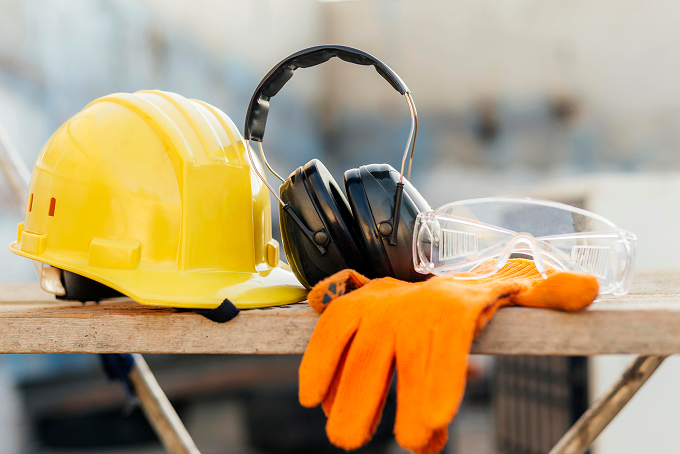
The biological COSHH ( Control of Substances Hazardous to Health) risk assessment process helps you choose the best measures or combination of controls that are right for the risks. Control measures are methods and behaviors that lower the chances of coming into contact with biological agents and hazards. Occupational Hygiene, sometimes called Industrial Hygiene, is the science of predicting, finding, measuring, and managing. Occupational Hygiene removes the hazards completely. These are engineering controls like containment labs and microbiological safety cabinets, management controls like safe operating procedures, training, supervision, and personal protection equipment like lab coats, gloves, and glasses.
Personal Protective Equipment
Organization need to include the personal protective equipment (PPE) that will be needed to safeguard the body, hands, eyes, face, and other parts of the body. This could include laboratory coats, gowns, gloves, or glasses, goggles, and face shields. Occupational hygiene is needed for
Almost every field like units for making and chemicals , Pharmaceuticals and Healthcare. The risk assessment may say that PPE is needed to keep people safe from a biological agent or danger when other methods of controlling exposure aren't enough. In such a case, it should only be used in addition to other suitable controls. The PPE must be good enough to defend against certain biological agents or risks. When choosing the right PPE, you should think about how you might come into contact with the biological agents . Industrial hygiene, sometimes called occupational hygiene, is the study and treatment of environmental conditions in the workplace that might lead to: sickness , diseases that happen at work . All PPE must be carefully chosen, cleaned, serviced, and kept in good condition. People who work with it should know how to utilize it and what it can't do.
Understanding Biological and Infectious Hazards
Biological hazards, or biohazards, include germs, viruses, bacteria, molds, fungus, and poisons that could be bad for human health. Infectious hazards are the spread of diseases from various biological agents, usually through:
- Transmission by the air (like flu, TB, and COVID-19)
- Direct touch (like body fluids or surfaces that have been contaminated)
- Vector-borne transmission (e.g., dengue-carrying mosquitoes)
- Contamination of food or water (e.g., E. coli, cholera)
Healthcare, medicines, agriculture, sanitation, and research labs are some of the industries that are more likely to be affected. But every workplace, from factories to corporate offices, needs to take steps to protect itself.
Steps to Get Workplaces Ready for Biological and Infectious Hazards
1. Conduct a Workplace Risk Assessment
A thorough risk assessment helps identify vulnerable points and potential exposure within the facility. Employers should:
- Understand employment positions that include being around biological materials
- Evaluate workplace ventilation and hygiene conditions
- Review prior health incident data
- Talk to health and safety experts
Based on the results, the most important hazard control measures should be elimination, substitution, engineering controls, administrative controls, and PPE.
2. Give employees ongoing training
Being ready depends on how aware the staff is. Employees should learn about:
Finding signs of contagious diseases
- Correctly washing your hands and using PPE
- How to safely get rid of trash
- How to respond in an emergency
Regular drills make sure everyone is ready for real events.